What the Reparto San Juan and Los Robles area is like for visitors: residential streets, restaurants nearby, and easy links to the rest of the city.
The lie of the land
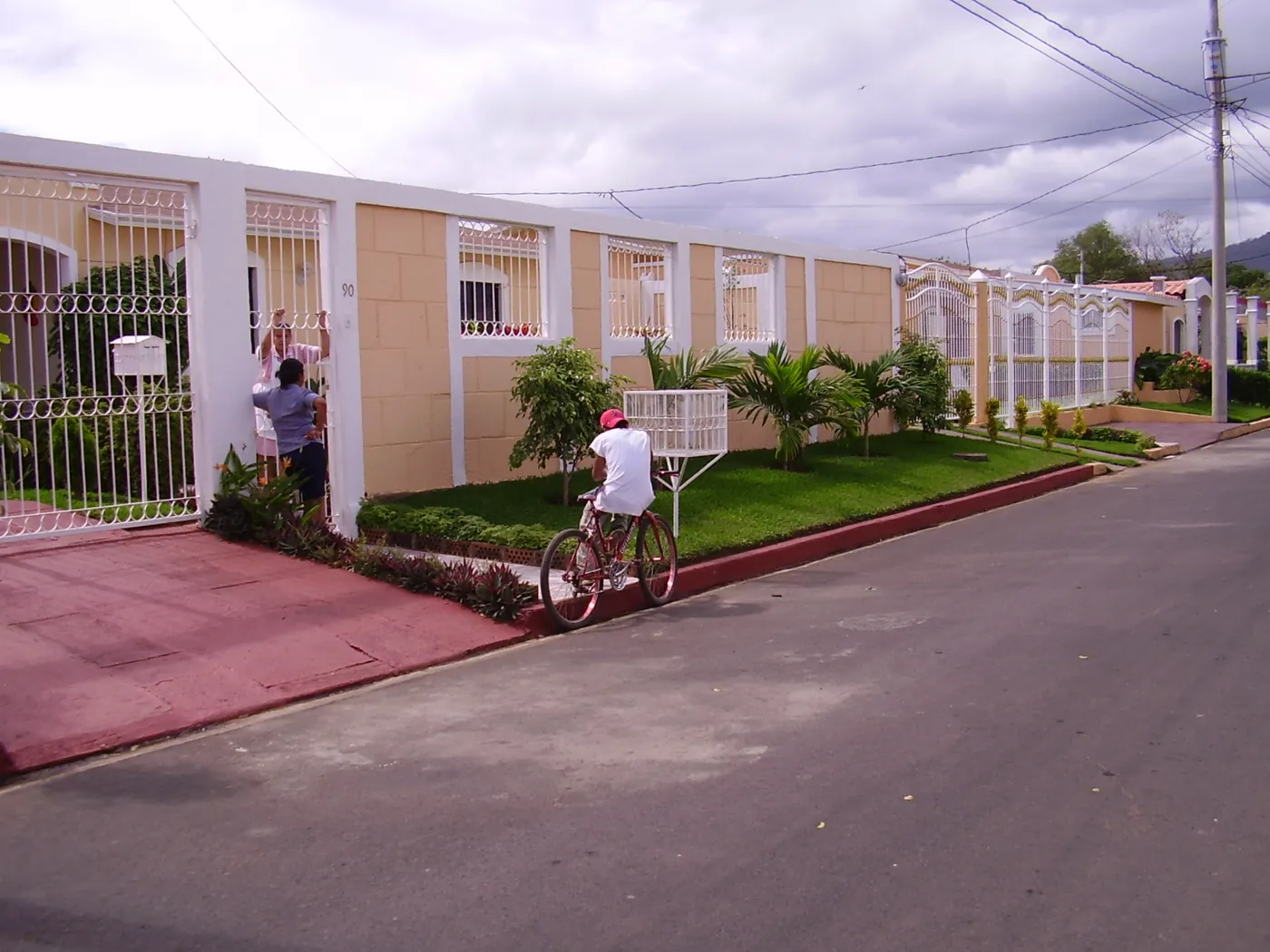
Reparto San Juan and Los Robles are neighbouring districts in the southern-central part of Managua, a short ride from the Metrocentro area and the Carretera a Masaya, the long avenue that runs south toward Masaya and the airport road junctions. Like much of post-1972 Managua, they are mostly low-rise: one- and two-storey houses behind walls and gates, tree-shaded side streets, small offices, clinics and guesthouses mixed in among family homes. The word reparto simply means a residential subdivision, and you will see it in many neighbourhood names across the city.
What it is like day to day
Reparto San Juan is largely residential and quiet in the evenings, with the rhythm of a family neighbourhood: school runs in the morning, street vendors calling out during the day, dogs and radios after dark. Los Robles, next door, is better known for places to eat. Along and near its main streets you will find cafés, restaurants serving Nicaraguan and international food, bakeries and small shops, which is why many visitors end up in this part of the city for an evening meal even if they are staying elsewhere.
Why visitors base themselves here
The area's appeal is practical. It is central enough that taxi rides to Tiscapa, the cathedral, Metrocentro and the old centre are short, and it sits on the side of the city facing the road to Masaya, Granada and Laguna de Apoyo, so day trips start without crossing the whole city. Accommodation in this part of Managua tends to be small: guesthouses, small hotels and apartment rentals rather than large resorts.
Things to keep in mind
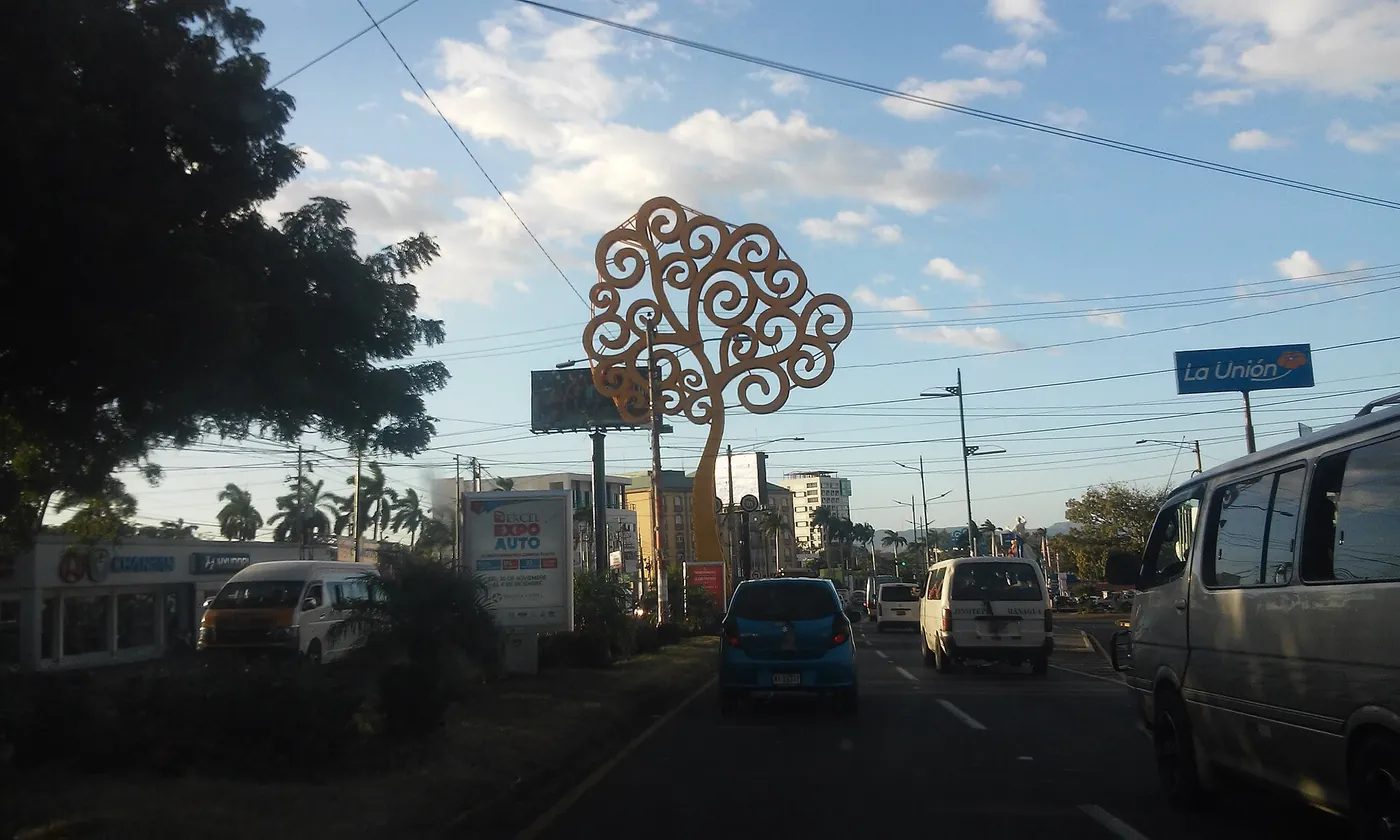
Directions here, as everywhere in Managua, are given from landmarks rather than street numbers; read our guide to how Managua addresses work before you arrive. Streets are pleasant for short strolls to a nearby restaurant, but distances between districts are long and pavements are uneven, so most people use taxis. As anywhere, ask your accommodation for current local advice about getting around at night. Use our booking checklist to compare places in the area.