Managua has no single downtown. A quick tour of the areas visitors most often use, from the lakefront to the cooler southern hills.
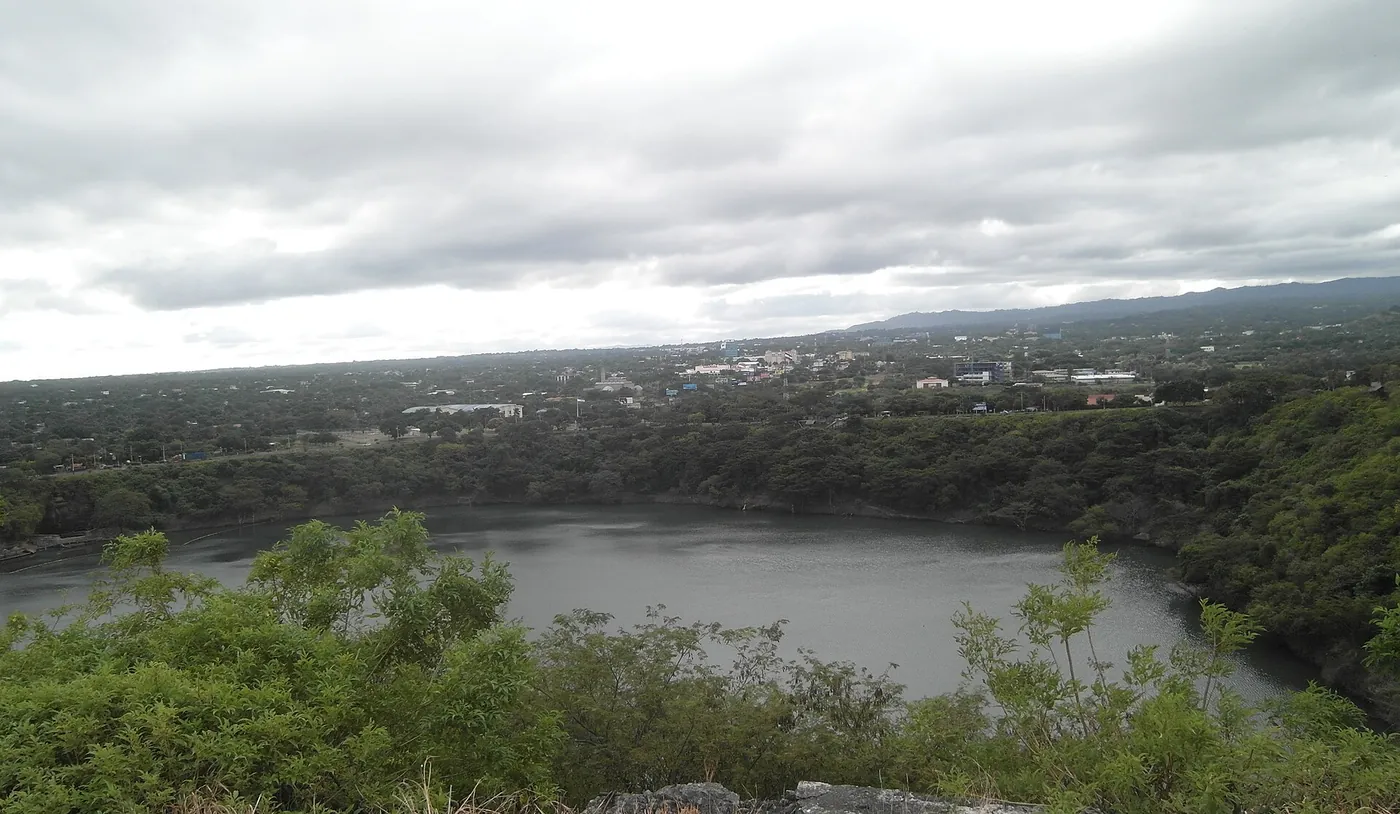
A city without a centre
Many first-time visitors are surprised that Managua has no compact downtown. The 1972 earthquake destroyed much of the old centre by the lake, and the city rebuilt outward along its main roads rather than on the ruins. The result is a spread-out, low-rise city of neighbourhoods linked by long avenues and roundabouts (rotondas), with shopping centres serving as practical meeting points. Understanding a few districts makes the place far easier to navigate.
The old centre and the lakefront
The area by the lake, sometimes called the Área Monumental, holds the Teatro Nacional, the national museum, the shell of the old cathedral and the Malecón. It is a place to visit rather than to stay: it has wide open spaces and monuments, but few places to sleep or eat in the evening.
The central belt
South of the old centre, districts such as Bolonia, Los Robles, Reparto San Juan and the streets around Metrocentro form a central belt where many visitors stay. Bolonia, near Tiscapa, has offices, media houses and small hotels. Los Robles and Reparto San Juan mix quiet residential streets with restaurants. This belt is convenient for most sights and for the road south.
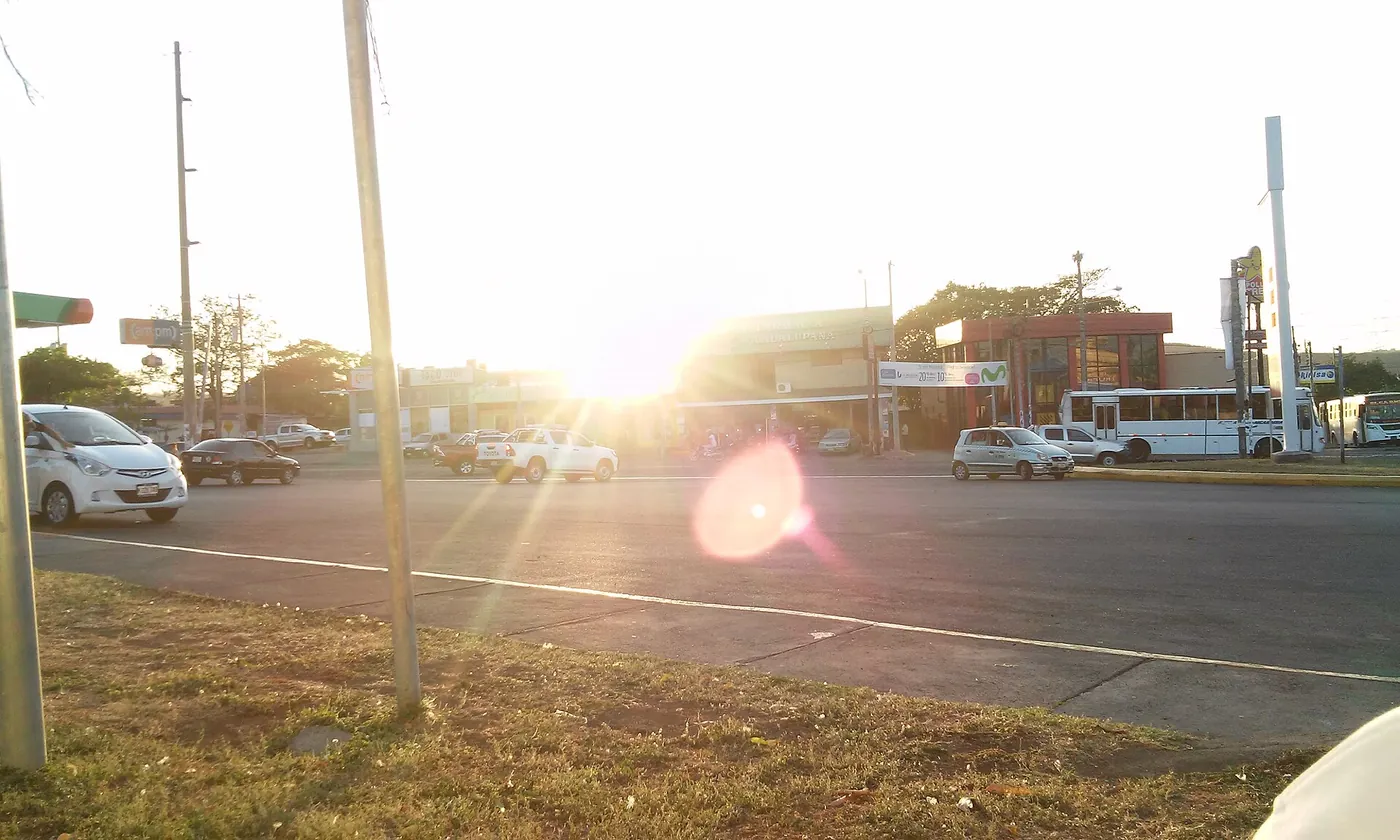
Along the Carretera a Masaya and beyond
The Carretera a Masaya is lined with shopping centres, offices, restaurants and business hotels, and districts on either side, such as Altamira and Villa Fontana, are popular with longer-stay visitors. Further south the road climbs toward the hills of Las Colinas and the Sierras de Managua, where the air is a little cooler and the city gives way to greenery. The airport sits on the eastern side of the city, along the road toward Tipitapa.
Choosing between them
Base yourself according to what you plan to do: central districts for sightseeing and short taxi rides, the southern side for easy departures toward Masaya and Granada, and areas near the airport only for early flights. Wherever you choose, read how to choose accommodation and check the practical points in our checklist.