A small site museum protecting footprints left by people walking across soft volcanic ground roughly two thousand years ago.
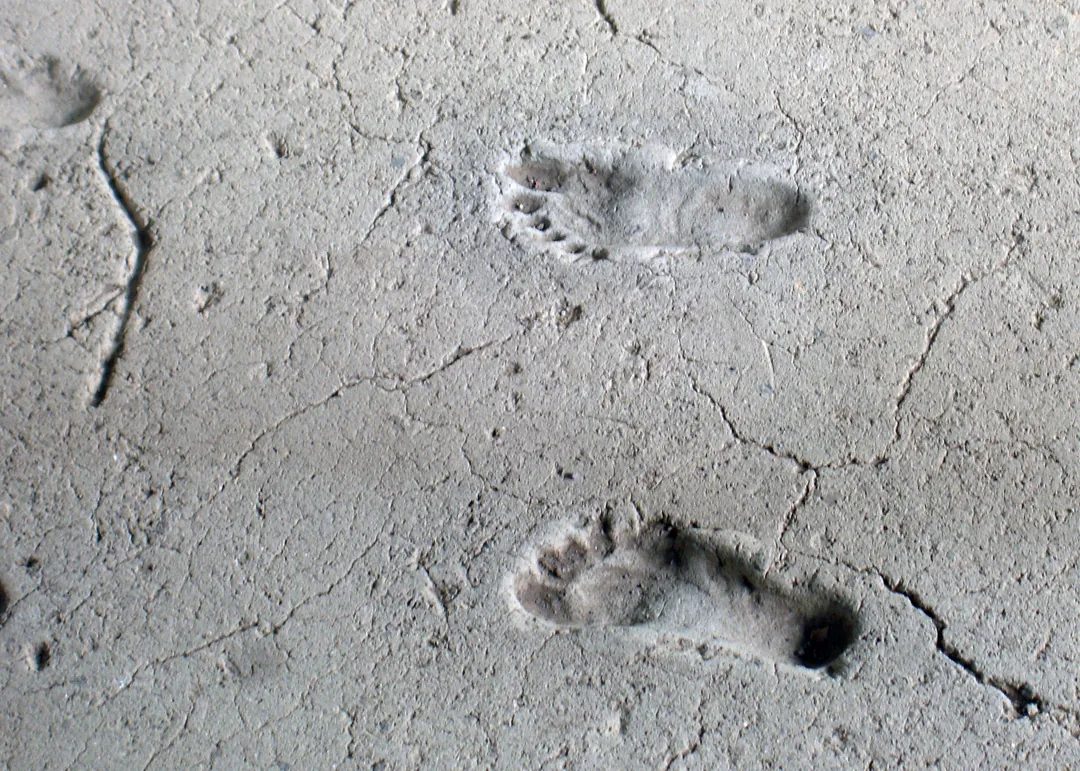
Barrio Acahualinca, near the southern shore of Lake Managua
| Type | Archaeological site and museum |
|---|---|
| Area | Acahualinca, western Managua |
| What you see | Human and animal footprints in hardened volcanic layers |
| Age | Generally dated to around two thousand years ago |
| Good for | History, archaeology, a short guided visit |
What it is
In a modest neighbourhood near the lakeshore in western Managua, a small museum shelters one of the most remarkable archaeological finds in Central America: a trail of human footprints pressed into soft volcanic mud and then sealed under later layers of ash. The prints have been excavated in trenches beneath a roof, so you look down on them from walkways, following the tracks of a group of people who walked across this ground long before the city existed.
What you will see
The main excavation shows a broad band of footprints heading in the same direction, generally toward the lake, made by adults and children walking in a group. Researchers have noted that the prints suggest a steady walk rather than flight. Animal tracks have also been identified in the layers. A small exhibition area displays pottery and other finds from the region and explains the sequence of volcanic deposits visible in the trench walls, which is a useful lesson in the geology that shaped Managua.
History of the find
The footprints were discovered in the late nineteenth century during quarrying for building stone, and the site was studied by archaeologists and geologists through the twentieth century. Early estimates of their age varied widely; more recent radiocarbon work places them around two thousand years ago. The site is one of the oldest known records of people in the Managua area and a reminder of how long the shores of Lake Xolotlán have been inhabited.
Visiting
This is a short visit, often under an hour, and works well combined with the Malecón or the museums of the old centre. Staff are often on hand to explain the site in Spanish; a few phrases or a translation app help. Arrange a taxi there and back rather than walking between districts. Opening arrangements are set by the site and may change, so check before making a special trip, and remember that photography rules inside small museums are at the staff's discretion.
Casa San Juan Guide is independent and is not affiliated with Huellas de Acahualinca. Programmes, opening times and access arrangements change, so confirm details locally before you visit.