Where Managua shops, what Nicaraguan crafts to look for, and how markets in the city compare with the crafts market in Masaya.
City markets
Managua's huge public markets are where the city does its shopping, and visiting one is an experience in itself. Mercado Roberto Huembes is the easiest for visitors and has a large crafts section. Other big markets are aimed squarely at local shoppers and are very crowded; if you go, do so with someone who knows the place. Supermarkets and shopping centres sell packaged goods, coffee and some crafts if you prefer a calmer setting.
The Masaya crafts market
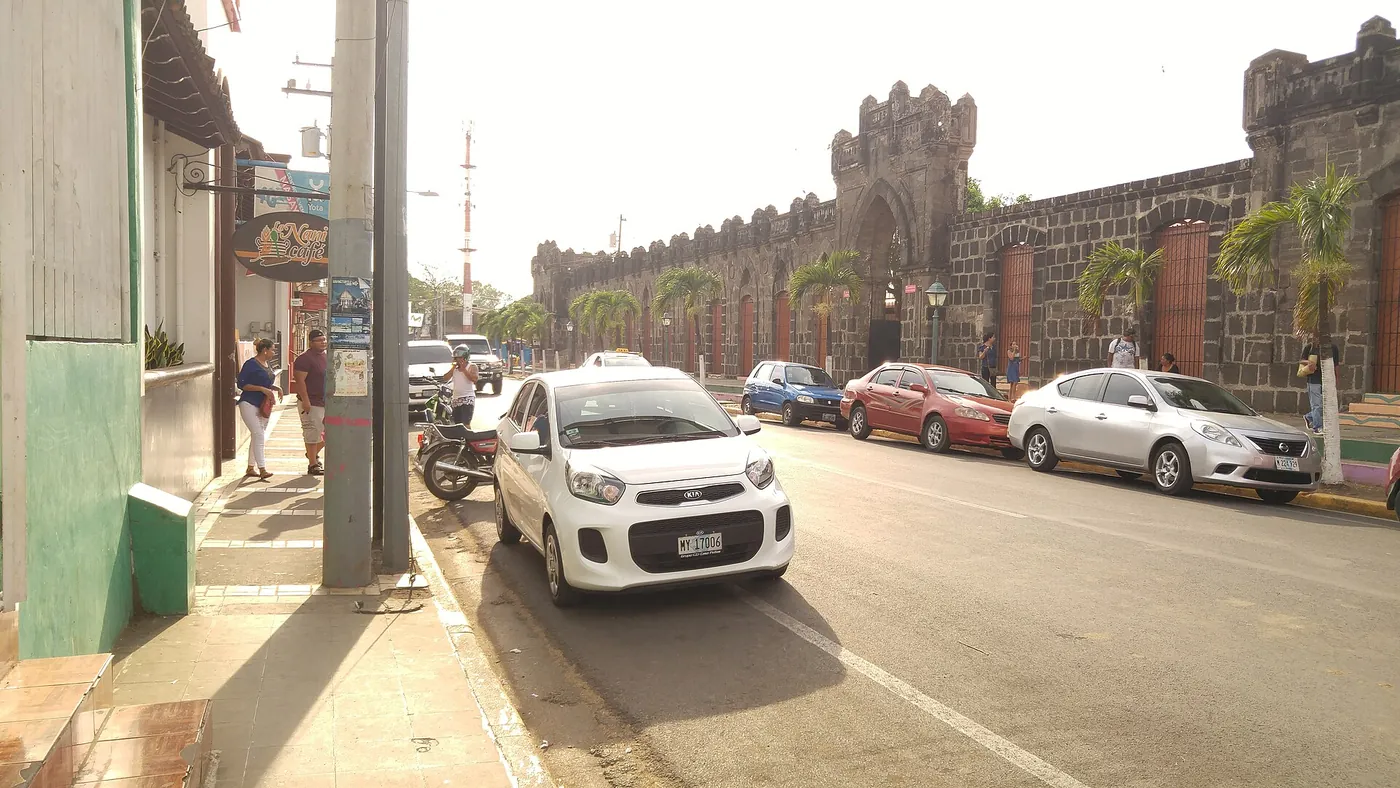
The city of Masaya, half an hour or so southeast of Managua, is known as a centre of Nicaraguan crafts. Its crafts market occupies a historic market building with arcades around a central courtyard, and stalls sell goods from across the country. It is less hectic than the city markets and pairs naturally with a Masaya day trip and the volcano.
What to look for
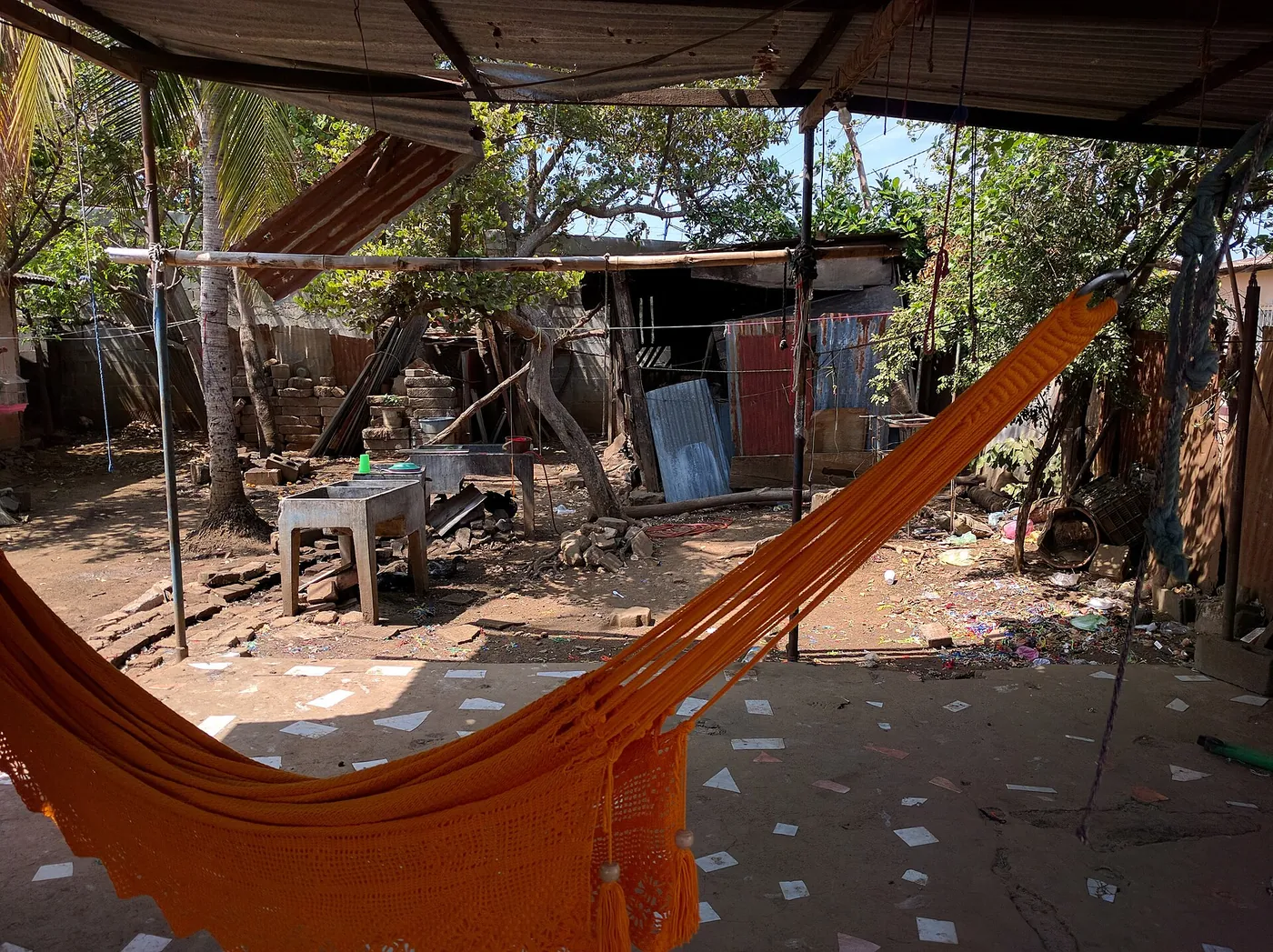
- Hammocks: Masaya is famous for them, woven in cotton or nylon in many colours and sizes, including hammock chairs.
- Ceramics: San Juan de Oriente, in the hills of the Meseta, is known for finely worked pottery with carved and painted designs.
- Woodwork and furniture: rocking chairs, carved boxes and bowls.
- Leather: bags, belts, sandals and saddlery.
- Paintings: bright, detailed scenes in the primitivist style associated with the Solentiname islands.
- Coffee and cacao from the northern highlands make easy-to-carry gifts.
Buying well
Ask where an item was made and look at the finish. Prices are often open to polite bargaining, but keep it friendly; for small items the difference matters more to the seller than to you. Ask for ceramics to be wrapped well, and check any rules your home country has on bringing in wood, seeds, leather or plant products.